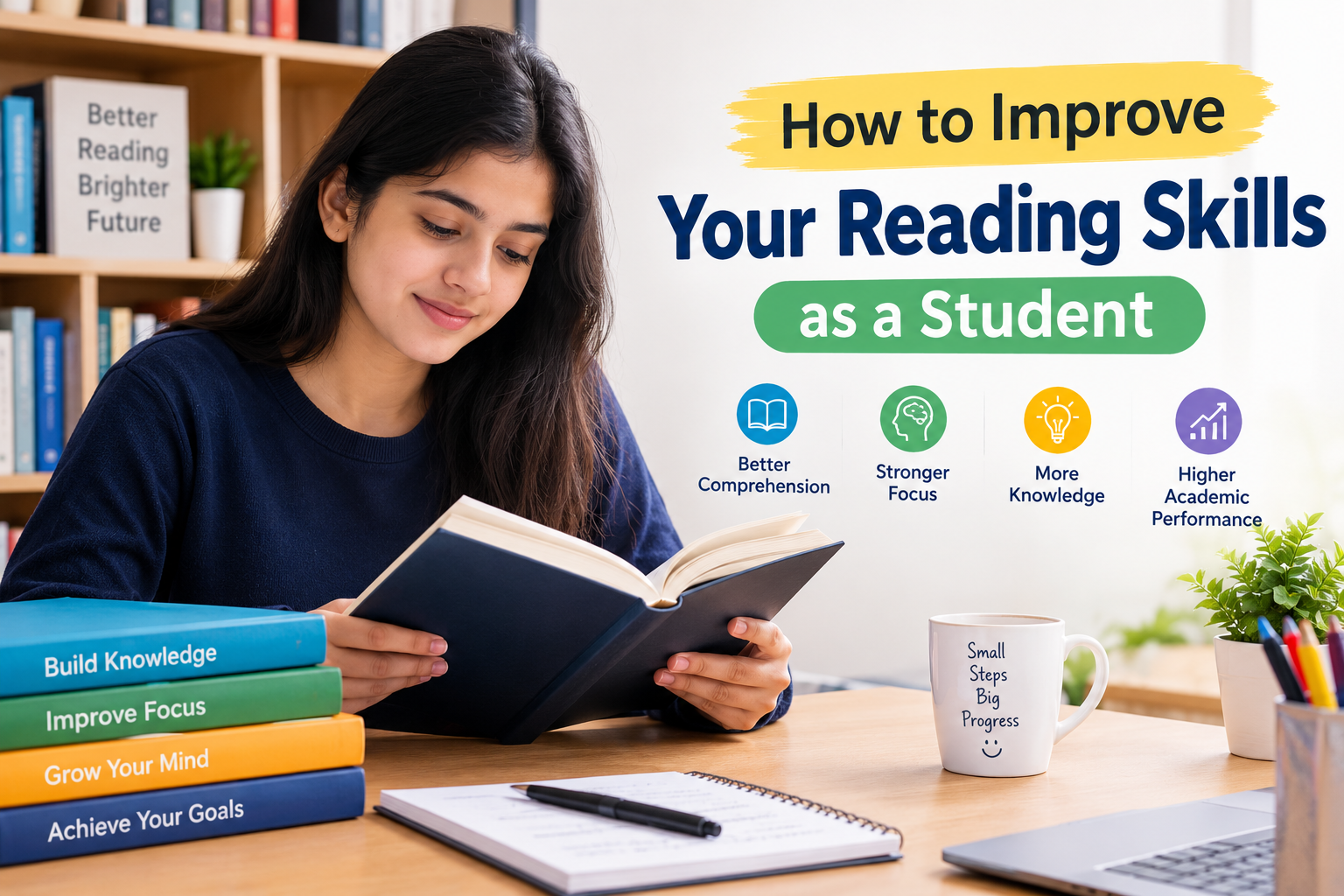
Reading is one of the most important skills a student can develop. Whether you are studying science, history, literature, business, or any other subject, strong reading skills can make learning easier and more enjoyable. In my experience, many students spend hours reading but still struggle to remember what they have read. The problem is often not a lack of intelligence. It is usually because they have not developed an effective reading method.
Improving your reading skills does not mean simply reading faster. Good reading is about understanding information, remembering important ideas, staying focused, and being able to use what you learn. With regular practice and a few simple techniques, students can become more confident and effective readers.
Understand Your Reading Goal
Before opening a book or study chapter, I believe it is helpful to know why you are reading it. Your reading goal can change the way you approach the material.
For example, reading a novel for enjoyment is different from reading a science chapter before an exam. When studying, you may need to identify important concepts, definitions, examples, and facts. When reading for general knowledge, you may focus more on understanding the main message.
Ask yourself what you want to learn before you begin. Having a clear purpose helps your brain pay attention to the information that matters most.
Start With a Quick Preview
One simple technique that can improve reading comprehension is previewing the material before reading every paragraph.
Look at the title, headings, subheadings, pictures, charts, highlighted words, and summary sections. If you are reading a textbook chapter, check how the chapter is organized.
I find this useful because it gives me an idea of what to expect. Instead of entering the chapter without direction, I already have a basic understanding of the topic.
A quick preview can take only a few minutes, but it can make the actual reading process more focused.
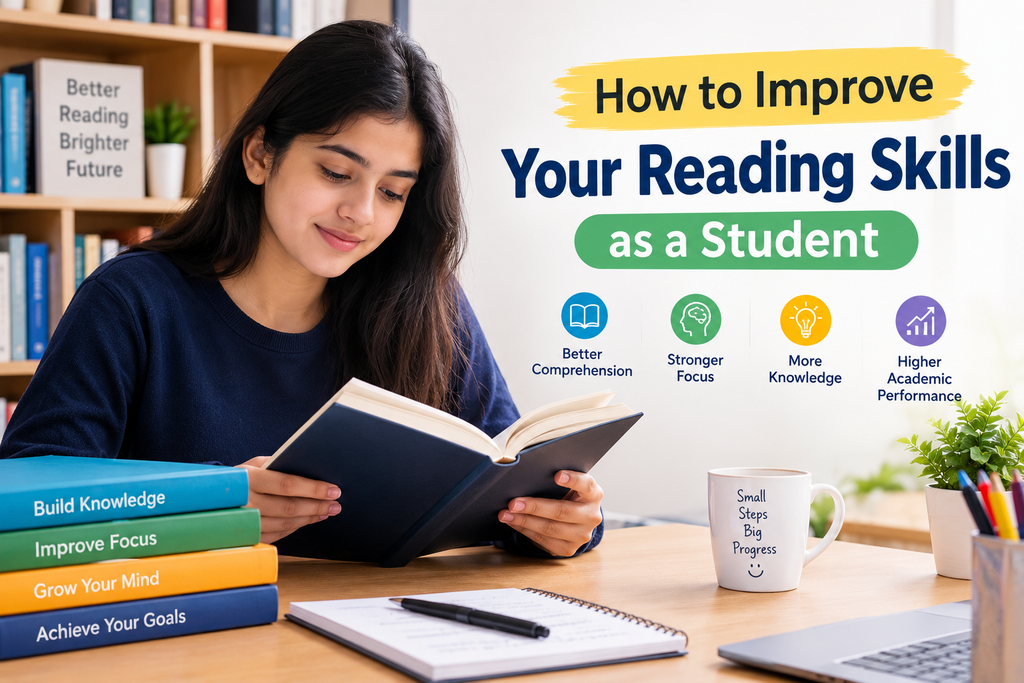
Improve Your Reading Focus
One of the biggest problems students face today is distraction. Phones, social media, notifications, games, and conversations can easily interrupt reading.
If you want to improve your reading skills as a student, create a quiet reading environment. Put your phone away or turn off unnecessary notifications. Choose a comfortable place where you can study without frequent interruptions.
I also recommend setting a specific reading period. Instead of telling yourself that you will study for several hours, decide to read for 25 or 30 minutes and then take a short break.
Focused reading for a shorter period can be more productive than sitting with a book for hours while your attention is somewhere else.
Read Actively Instead of Passively
Passive reading happens when your eyes move across the page but your mind is not really processing the information. This is a common reason students finish a chapter and realize they remember very little.
Active reading requires you to interact with the material.
Ask questions while reading. What is the main idea? Why is this information important? How does this concept connect with something I already know? What example does the writer provide?
You can also underline important points, write short notes, or mark confusing sections.
The goal is not to highlight every sentence. Instead, focus on information that helps you understand the subject.
Build Your Vocabulary
A strong vocabulary can make reading much easier. Students sometimes struggle with difficult textbooks because they do not understand important words.
When you find an unfamiliar word, try to understand its meaning from the surrounding sentence first. Then check a reliable dictionary if you are still unsure.
Keep a small vocabulary list containing new words, their meanings, and simple example sentences. Reviewing these words regularly can gradually improve your reading comprehension.
I believe vocabulary improvement is especially useful because it helps with more than reading. It can also improve writing, speaking, presentations, and exam answers.
Use the SQ3R Reading Method
The SQ3R method is a useful study technique for students. The letters represent Survey, Question, Read, Recite, and Review.
First, survey the chapter by looking at its headings and structure. Next, create questions about what you expect to learn. Then read the material carefully while looking for answers.
After reading a section, close the book and explain what you remember in your own words. Finally, review the important information again.
This method encourages students to think about what they are reading instead of simply moving from one page to another.
Take Notes in Your Own Words
Taking notes can improve both reading comprehension and memory. However, copying entire paragraphs from a textbook is usually not the best approach.
Try to summarize ideas using your own words. Write short sentences, keywords, examples, or simple explanations.
For example, after reading a section about photosynthesis, you could write a short explanation of how plants use light energy to produce food. If you can explain the concept simply, it usually means you have understood it better.
Your notes should help you remember the idea without requiring you to reread the entire chapter.
Practice Summarizing What You Read
One of the best ways to improve reading comprehension is to summarize information after reading.
After completing a section, put the book aside and explain the main points from memory. You can write a few sentences or explain the topic aloud as if you were teaching another student.
If you cannot summarize the material, return to the section and read it again more carefully.
I find this technique particularly helpful before exams because it quickly shows which topics I understand and which ones need more attention.
Do Not Always Try to Read Faster
Many students believe that becoming a better reader means reading as quickly as possible. Speed can be useful, but understanding should come first.
If you read extremely fast and forget most of the information, the extra speed has little value.
Instead, develop flexible reading speed. Read simple material faster when detailed understanding is not necessary. Slow down when you encounter an important concept, difficult explanation, mathematical process, or unfamiliar topic.
Good readers know when to speed up and when to slow down.
Read Every Day
Reading skills improve through consistent practice. You do not need to read for several hours every day. Even 15 to 30 minutes of focused reading can make a difference when you do it regularly.
Choose material that interests you. You can read textbooks, novels, biographies, newspapers, educational websites, or other useful resources.
Reading different types of content exposes you to different writing styles and vocabulary. Over time, you may notice that difficult texts become easier to understand.
Ask Questions About the Text
Questioning is an important part of effective reading. Instead of accepting every sentence without thinking, challenge yourself to understand the writer’s message.
Ask questions such as:
What is the main argument?
What evidence supports this idea?
Why did this happen?
What is the most important information here?
How can I apply this knowledge?
These questions encourage deeper thinking and can help students develop stronger critical reading skills.
Review Important Information
Reading something once does not guarantee that you will remember it. Regular review helps strengthen your memory.
After reading a chapter, review your notes later. Try to recall the main ideas without looking at the book first. Then check your notes to see what you missed.
Spaced review can be especially useful. Instead of studying the same chapter for hours in one sitting, review it briefly over several days.
This approach can make learning more manageable and help you remember information for longer.
Make Reading a Habit
The most important thing I have learned about improving reading skills is that consistency matters more than perfection.
You will not suddenly become an excellent reader after one study session. Reading comprehension, vocabulary, concentration, and critical thinking develop gradually.
Start with a small daily goal. Read one chapter, several pages, or for a specific amount of time. Keep practicing active reading and summarization. Over time, these actions can become natural habits.
Final Thoughts
Improving your reading skills as a student can have a positive effect on almost every part of your education. Better reading can help you understand textbooks, prepare for exams, complete assignments, learn new subjects, and become a more confident student.
In my opinion, the best approach is not to focus on reading faster. Focus on reading with purpose, maintaining concentration, asking questions, taking useful notes, building your vocabulary, and reviewing what you learn.
Start with one or two techniques instead of trying everything at once. As you become comfortable, add more strategies to your routine. With regular practice, reading can become less stressful and much more productive.
The key is simple: read with attention, think about what you read, and practice consistently.