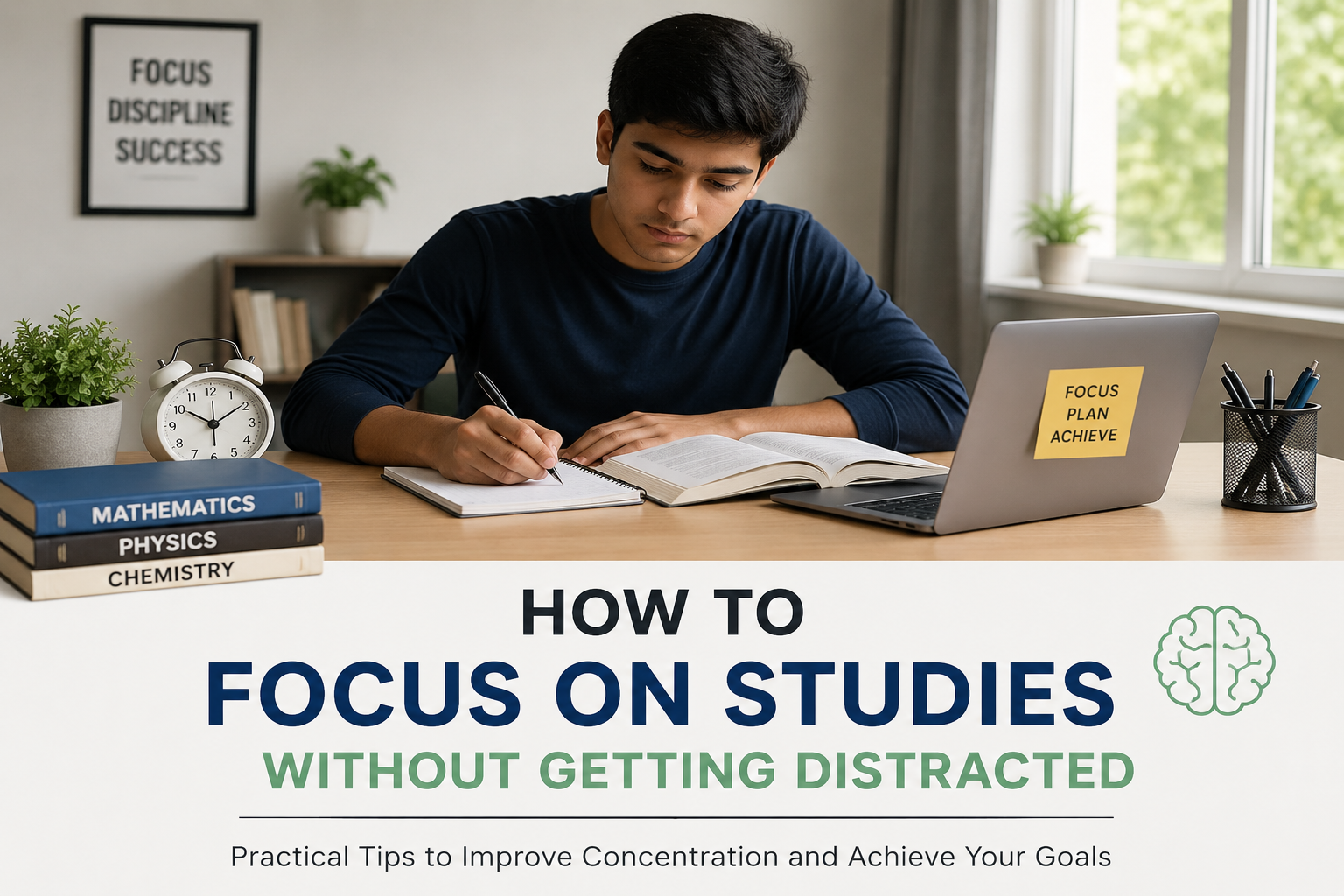
Studying can sometimes feel difficult even when I know exactly what I need to learn. I may sit at my desk with my books open, but after a few minutes I find myself checking my phone, browsing social media, thinking about something unrelated, or simply staring at the page. I believe this is a common problem for many students. The good news is that learning how to focus on studies is not about forcing yourself to study for many hours. It is about creating better habits and making distractions easier to control.
In this article, I will share some practical study tips that I find useful for improving concentration, staying motivated, and studying more effectively. These simple methods can help students focus on studies without feeling overwhelmed.
Why Is It Difficult to Focus on Studies?
Before improving concentration, I think it is important to understand why distractions happen. Sometimes the problem is not laziness. Our environment, habits, stress, lack of sleep, and even an unclear study goal can make it difficult to concentrate.
Phones are one of the biggest sources of distraction for students. Notifications, messages, videos, games, and social media can quickly take attention away from studying. Another common problem is trying to study in a noisy or uncomfortable place.
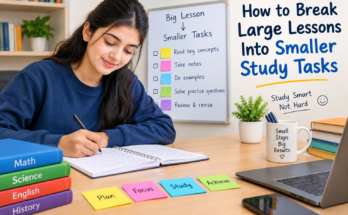
I also believe that studying without a clear plan can make concentration harder. When I have too many chapters or tasks in front of me, I can feel confused about where to begin. Breaking a large task into smaller goals makes studying feel much easier.
Set a Clear Study Goal
One of the first things I recommend is setting a clear goal before starting a study session. Instead of saying, “I will study mathematics,” make the goal more specific.
For example, you could decide to complete two algebra exercises, read one chapter, or revise twenty vocabulary words.
A clear study goal gives your brain a specific target. It also makes it easier to measure your progress.
When I have a clear goal, I am less likely to waste time deciding what to do next. I can simply sit down and start working.
Create a Simple Study Schedule
A study schedule can make a big difference in concentration. You do not need a complicated timetable. A simple schedule that fits your daily routine is usually enough.
For example, you might study for one hour in the morning and another hour in the evening. If you have more time, you can add additional sessions.
Try to schedule difficult subjects when you feel most active. Some students concentrate better in the morning, while others prefer studying in the evening.
The most important thing is consistency. Studying a little every day can be more effective than trying to study everything the night before an exam.
Keep Your Phone Away
If I had to choose one practical method for avoiding distractions while studying, keeping the phone away would be near the top of my list.
Even when I do not use my phone, seeing it on the desk can make me want to check it. Notifications can also interrupt concentration.
Put your phone on silent mode and keep it away from your study table. If possible, place it in another room during your study session.
You can check your messages during a planned break instead of checking them every few minutes.
This small change can help you protect your study time and maintain better concentration.
Study in a Quiet and Comfortable Place
Your study environment has a direct effect on your ability to concentrate. I prefer a place where there is enough light, fresh air, and limited noise.
Your study table should contain only the things you need. Too many unnecessary items can make the space feel messy and distracting.
If your home is noisy, you can try using a quieter room or studying at a library. The goal is to create an environment where your mind understands that it is time to study.
A clean and organized study space can also make it easier to start studying.
Use Short Study Sessions
Many students believe they need to study for several hours without stopping. In my opinion, this can make studying feel exhausting.
Instead, try studying in shorter focused sessions. For example, study for 25 to 40 minutes and then take a short break.
During the focused period, give your full attention to your work. During the break, stand up, drink some water, stretch, or relax for a few minutes.
This approach can make long study periods feel more manageable.
Take Regular Breaks
Taking breaks does not mean you are wasting time. A good break can help your mind recover and prepare for the next study session.
However, breaks should also be controlled. If you start watching videos or scrolling through social media, a five minute break can easily become thirty minutes.
I prefer taking simple breaks that do not create new distractions. Walking around the room, drinking water, stretching, or closing my eyes for a few minutes can be enough.
The purpose of a break is to refresh your mind, not completely leave your study routine.
Avoid Multitasking
Multitasking may seem productive, but it can make studying less effective. Trying to read a chapter while checking messages and listening to random videos can divide your attention.
When studying, focus on one task at a time.
If you are reading, focus on reading. If you are solving questions, focus on solving questions. If you are reviewing notes, give that activity your full attention.
Single tasking can help you understand information more deeply and finish work faster.
Use Active Study Techniques
Simply reading the same page again and again is not always the best way to learn. Active study techniques can make learning more interesting and effective.
You can make your own questions from a chapter and answer them without looking at the book. You can explain a difficult topic in your own words or create short notes after studying.
Another useful method is practicing questions instead of only reading answers.
When I actively use information, I feel that I understand it better. Active learning also makes it easier to identify the topics that need more revision.
Get Enough Sleep
Sleep is often ignored when students are trying to improve study performance. However, getting enough rest is important for concentration and learning.
When I am tired, even a simple chapter can feel difficult. It becomes harder to remember information and stay focused.
Try to maintain a regular sleep routine. Avoid staying awake all night simply to study more. A rested mind can often learn more effectively than a tired mind studying for extra hours.
Eat Well and Stay Hydrated
Your daily habits can also affect your concentration. Drinking enough water and eating balanced meals can help you feel more energetic during study sessions.
You do not need complicated foods or expensive products. Simple meals that include nutritious ingredients can support your daily routine.
Keep a bottle of water near your study table so you can stay hydrated without interrupting your work.
Deal With Unwanted Thoughts
Sometimes the biggest distraction is not your phone or your surroundings. It is your own thoughts.
While studying, you may suddenly remember something you need to do, think about a conversation, or start worrying about an upcoming exam.
Instead of trying to completely force these thoughts away, write them down on a small piece of paper. Tell yourself that you will deal with them later.
This can help clear your mind because you know the thought has been recorded and will not be forgotten.
Reward Yourself After Completing Your Goal
Small rewards can make studying more enjoyable. After completing a study goal, you can give yourself some free time.
For example, after finishing a chapter, you might listen to music, take a walk, talk with a friend, or watch something for a limited amount of time.
The important part is to reward yourself after completing the task rather than using entertainment as an excuse to avoid studying.
Build the Habit Slowly
I do not think anyone needs to become extremely focused overnight. Concentration is a skill that can improve with practice.
If you currently study for twenty minutes before getting distracted, start by improving that period gradually. You might aim for twenty five minutes, then thirty minutes, and eventually longer sessions.
Do not become frustrated when you lose focus. Notice what distracted you and try to improve your environment or routine next time.
Progress is more important than perfection.
Final Thoughts
Learning how to focus on studies without getting distracted is mainly about creating an environment and routine that supports concentration. You do not need to study all day to become a better student.
Set clear goals, create a simple study schedule, keep your phone away, choose a quiet place, take useful breaks, avoid multitasking, and use active study techniques. At the same time, take care of your sleep, food, water, and overall daily routine.
From my point of view, the most important thing is consistency. A focused thirty minute study session is often more useful than several hours spent switching between books, social media, messages, and other distractions.
Start with one or two changes today. Once those habits become natural, add more. With regular practice, better planning, and fewer distractions, you can improve your concentration and make studying a much more productive part of your daily life.